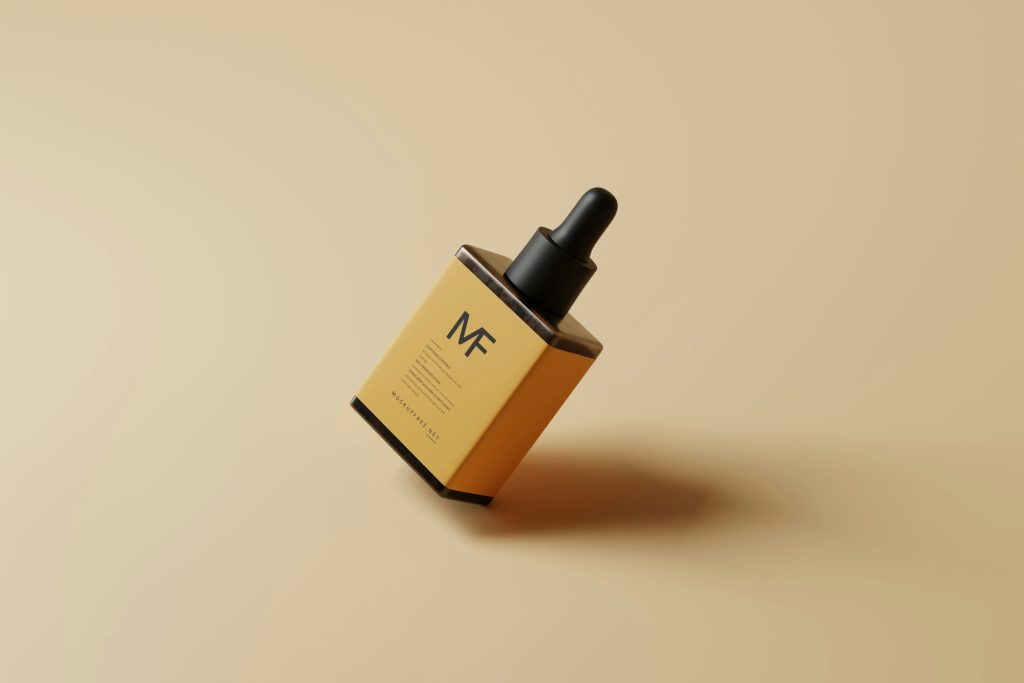
In today’s fast-paced world, taking time for self-care is more important than ever, and establishing an effective skincare routine can be one of the most rewarding practices. Not only does it contribute to healthier skin, but it also offers a moment of tranquility in our busy lives. This article will guide you through the essentials of crafting a skincare routine that suits your unique needs, helping you to embrace self-care fully.
A skincare routine begins with the foundational step of cleansing. Cleansers are vital for removing dirt, makeup, and impurities that accumulate on the skin throughout the day. Choosing the right cleanser tailored to your skin type is essential for maintaining balance and clarity. For oily or combination skin, a foaming or gel cleanser can effectively control shine and prevent breakouts. In contrast, those with dry or sensitive skin may benefit from cream-based cleansers that hydrate while cleansing. Whichever cleanser you select, aim to cleanse your face twice daily: once in the morning to refresh your skin and once at night to remove the day’s buildup.
After cleansing, exfoliation is a crucial step that should not be neglected. Exfoliating helps to slough away dead skin cells, promoting cell turnover and revealing a brighter, smoother complexion. There are two main types of exfoliants: physical and chemical. Physical exfoliants contain granules or particles that manually scrub the skin, while chemical exfoliants utilize acids like AHAs (alpha hydroxy acids) and BHAs (beta hydroxy acids) to dissolve dead skin. For example, glycolic acid is an AHA that brightens and smooths skin texture, while salicylic acid, a BHA, penetrates pores to help control acne. It’s generally recommended to exfoliate 1-3 times per week, depending on your skin’s sensitivity and needs.
Next, we come to toners, which play an important role in a skincare routine. Toners help to balance the skin’s pH after cleansing, ensuring that your skin is prepped for the subsequent products. Many modern toners are infused with hydrating ingredients like rose water or hyaluronic acid, which can provide an additional layer of moisture. Applying a toner not only removes any remaining impurities but also enhances the absorption of serums and moisturizers that follow.
Serums are the powerhouses of your skincare lineup, packed with concentrated active ingredients designed to target specific concerns. When choosing a serum, consider what you want to achieve. For hydration, serums with hyaluronic acid work wonders by drawing moisture into the skin. If you’re looking to brighten your complexion or tackle dark spots, vitamin C serums are fantastic options. These serums should be applied after toning, allowing the active ingredients to penetrate deeply for optimal results. The right serum can significantly improve your skin’s texture and appearance, making this step a crucial part of your routine.
Following serum application, it’s essential to lock in hydration with a moisturizer. Moisturizers serve to seal in moisture and create a barrier against environmental stressors. They come in various formulations, so it’s important to select one that matches your skin type. For oily skin, lightweight gel moisturizers are ideal, providing hydration without feeling heavy. For dry skin, cream-based moisturizers with nourishing ingredients like shea butter can offer the extra moisture needed to combat dryness. Applying a moisturizer is a key step in maintaining skin health and ensuring that it remains hydrated throughout the day.
An often-overlooked yet critical component of any skincare routine is sun protection. Sunscreen is essential for protecting your skin from harmful UV rays that can lead to premature aging and uneven skin tone. Incorporate a broad-spectrum sunscreen with an SPF of at least 30 into your morning routine, applying it as the final step before makeup. Physical sunscreens containing zinc oxide or titanium dioxide are often recommended for sensitive skin, while chemical sunscreens can offer a lightweight feel. Consistency in applying sunscreen daily is crucial for long-term skin health.
In addition to the foundational products, you might also want to incorporate specialized treatments to address specific concerns. Spot treatments can effectively target blemishes or dark spots, often containing ingredients like benzoyl peroxide or tea tree oil to help reduce inflammation. Furthermore, face masks can be a fun and beneficial addition to your routine. Depending on your skin’s needs, you can choose hydrating masks, clay masks for detoxification, or sheet masks for a quick boost of moisture. These treatments can be incorporated into your routine weekly to enhance your skincare regimen.
As you navigate your skincare journey, it’s important to listen to your skin and adapt your routine as needed. Seasonal changes, lifestyle factors, and hormonal fluctuations can all influence your skin’s condition. For example, during colder months, you may need to switch to a richer moisturizer, while in summer, a lighter gel may suffice. Regularly assess how your skin responds and be willing to adjust your products and techniques accordingly.
Establishing a skincare routine is more than just a series of steps; it’s an opportunity to cultivate mindfulness and self-love. Consider turning your routine into a ritual that you look forward to each day. Whether it’s taking a few extra moments to massage your products into your skin or lighting a candle while you pamper yourself, these small touches can transform your routine into a cherished experience.
In conclusion, building an effective skincare routine requires understanding your skin type, selecting appropriate products, and mastering the order of application. From cleansing and exfoliating to moisturizing and protecting, each step contributes to achieving and maintaining a radiant complexion. Embrace the journey of skincare as an act of self-care, experimenting with different products and techniques to find what works best for you. With dedication and patience, your skin can glow with health and vitality, reflecting the care you invest in yourself.